
Acupuncture and Your Health: 5 Areas Where It May Help
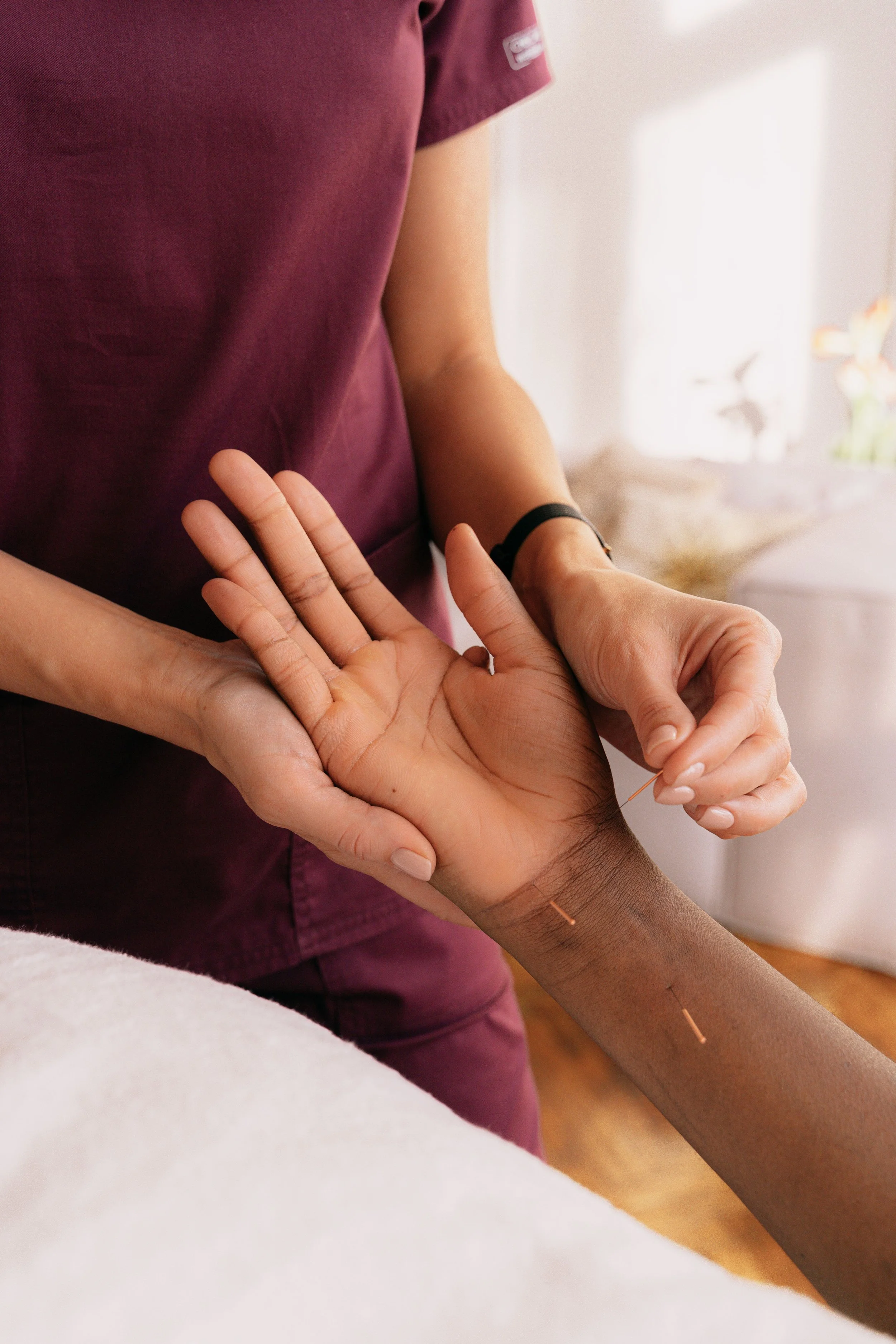
If you ask most people what acupuncture is for, they’ll probably say back pain, and they’re not wrong; pain is the single most studied use of acupuncture and one of the most common reasons people book their first appointment.
But many other everyday maladies might lead you to start searching for remedies and end up with acupuncture as a potential solution. Trouble sleeping, ongoing digestive problems, and painful periods are some of the most common reasons someone might seek an acupuncturist's care.
Many of these concerns have something in common: the nervous system. Pain, poor sleep, low mood, and an unsettled gut can all be tied to a stress response that stays switched on longer than it should, and acupuncture can help the body ease out of that state.
Here are five common conditions where the research suggests acupuncture may help.
1) Chronic Pain
Chronic pain is anything but simple. When pain lasts for months, the nervous system can get stuck in a stress response, the same fight-or-flight state the body uses to react to danger. Muscles stay braced, and over time the brain can become more sensitive to pain signals. Stress and poor sleep add to that sensitivity, which is part of why chronic pain can be so hard to address.
Acupuncture is thought to work partly through the nervous system, helping the body shift out of that stress response and into its rest-and-recover state, changing how pain signals are processed. People often feel noticeably calmer during and after a session.
Pain is also where acupuncture has the most research behind it, including back and neck pain, osteoarthritis, and chronic headaches. The American College of Physicians lists it among the first treatments to try for chronic low back pain.
A 2017 study from Massachusetts General Hospital, published in the journal Brain, used brain imaging to look at how this works. People with carpal tunnel syndrome received a course of either real acupuncture or sham acupuncture (a type of placebo acupuncture). Both groups reported feeling better. But only real acupuncture changed how the brain mapped sensation from the hand and improved nerve function at the wrist, and those brain changes were linked to longer-lasting relief.
Many people find acupuncture a great addition to other modalities such as physical therapy and massage when caring for their chronic pain conditions.
2) Sleep Troubles
Trouble sleeping is one of those things that doesn’t seem that bad…until you can’t sleep. If you’ve spent an hour staring at the ceiling, or woken at 3 a.m. and couldn’t get back to sleep, you know how much a bad night carries into the next day, much less not being able to sleep well for longer periods of time.
With ongoing insomnia, the trouble is often a body (and mind) that won’t switch off at night. Sleep researchers call this hyperarousal: the stress response stays active when it should be winding down. It’s the same fight-or-flight pattern behind chronic pain, which is why acupuncture’s calming effect on the nervous system may help here too.
A 2025 review in Frontiers in Neurology pooled 10 trials involving 757 adults with chronic insomnia. People who received acupuncture reported better sleep quality than those who received sham treatment. Treatment in these studies ran for several weeks, so plan on a series of sessions rather than a single visit.
3) Anxiety and Depression
Anxiety and depression affect more than mood. They can disrupt sleep and concentration, wear on physical health, and strain relationships. Some people turn to acupuncture as one part of their support system.
Depression changes how the brain works, particularly in the circuits that handle emotion and reward. That’s part of why it can be hard to enjoy things you used to look forward to. A 2026 study published in Medicine pooled brain scans from seven clinical trials involving 357 people with major depression. After a course of acupuncture, participants showed more activity in areas tied to emotional control and reward, a different pattern from the one seen with conventional treatment. People who had more sessions showed greater changes in the amygdala, a region central to processing fear and stress. The acupuncture groups also had larger drops in depression and anxiety scores than the comparison groups. Research on anxiety is newer, but studies have found acupuncture can ease symptoms of generalized anxiety, often with fewer side effects than medication.
As Liz Bergum, our acupuncturist, puts it: “I think anxiety and stress play a pivotal role in how other physical symptoms manifest. I’ve had a lot of success treating other conditions by treating how we respond to stress. Acupuncture can help us connect to our parasympathetic state, the body’s rest-and-recover mode. Having time on the table and getting into that state can be pretty profound in helping manage the symptoms of those other conditions.”
The research on depression is encouraging but limited and warrants further exploration. Acupuncture can be a helpful part of your care, whether you’re also seeing a therapist, taking medication, or neither. If you’re struggling with your mental health, it’s worth involving your doctor or a mental health professional for more advice.
4) Digestive Issues
Digestion is closely tied to the nervous system. The gut has its own dense network of nerves, and it reacts quickly to stress. In fight-or-flight mode, the body pulls resources away from digestion, which is why symptoms like bloating, cramping, and irregular bowel movements often flare during stressful stretches. Irritable bowel syndrome (IBS) in particular is closely linked to stress.
The calmer state acupuncture is thought to support is sometimes called “rest and digest,” and that connection is part of why researchers have studied it for IBS. In a 2012 UK study published in BMC Gastroenterology, 233 people with long-standing IBS were split into two groups. Those who added 10 weekly acupuncture sessions to their usual care had greater symptom relief than those who received usual care alone, and most of that benefit held a year later. Acupuncture has also shown promise for indigestion and that overly full feeling after meals, a condition called functional dyspepsia.
As Liz puts it: “Acupuncture and Chinese medicine take a very holistic approach to the body. A lot of chronic conditions have their roots in the digestive tract. There’s a saying in Chinese medicine: ‘When you don’t know what to do, treat earth,’ meaning the digestive system. It’s similar to stress, in that many of the symptoms we have can lead back to digestive health. Headaches, menstrual issues, sleep problems, and allergies can all be rooted in digestion. Treating one often means treating the other.”
If your digestive symptoms are new, getting worse, or changing, be sure to have them checked by your doctor first.
5) Menstrual and Hormonal Health
Period cramps happen when the uterus contracts, driven by hormone-like compounds called prostaglandins. How much those contractions hurt depends partly on the nervous system, and stress and muscle tension can make cramps feel worse. For some people the pain is enough to disrupt work, sleep, and exercise every month. Pain relievers or conventional care help many people, but not everyone.
That link to how pain is processed is part of why acupuncture has been studied for menstrual pain. In a 2008 study published in the American Journal of Obstetrics & Gynecology, German researchers randomly assigned about 200 people with painful periods to either 15 acupuncture sessions over three months or their usual care. By the end, average pain in the acupuncture group was 3.1 on a 10-point scale, compared with 5.4 in the usual care group. The acupuncture group also reported better quality of life.
Acupuncture has also been studied for broader hormonal health. Research has found it can help bring more regularity to cycles in those with PCOS, a common cause of irregular periods, and ease hot flashes and night sweats during menopause.
If your pain is severe, your periods are irregular, or your symptoms are changing, check in with your doctor or gynecologist.
Acupuncture at The Pearl Day Spa
Pain, sleep, mood, digestion, and hormones might seem like separate problems, but stress and the nervous system play an important part in each of them. That’s where acupuncture comes in, and it’s why it fits so well at The Pearl.
Liz Bergum is a Doctor of Chinese Medicine and board-certified herbalist who measures a good session by one thing: whether you leave feeling a bit lighter. Liz trained in Western herbalism first, and discovering Chinese medicine more than a decade ago sent them in a new direction. They treat the emotional side right alongside the physical, because the body can’t fully relax while it’s holding onto hard feelings. When they’re not at the spa, you’ll find them hiking with their dog, working on a ceramics project, or making their own herbal remedies and body care.



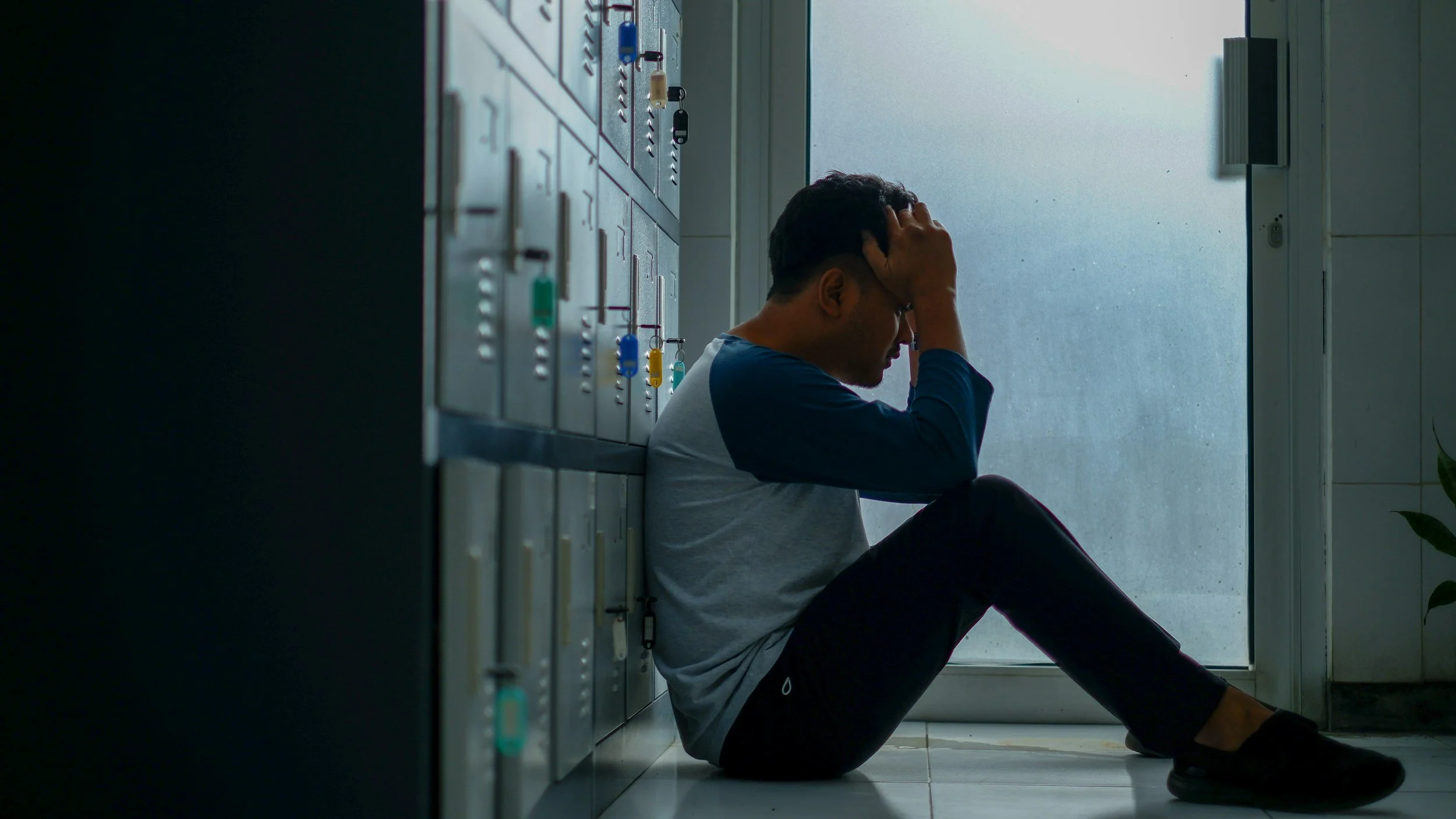



If you ask most people what acupuncture is for, they’ll probably say back pain. And they’re not wrong; pain is the single most studied use of acupuncture and one of the most common reasons people book their first appointment.
But there are many other everyday maladies that might cause you to start searching for remedies and turn up with acupuncture as a potential solution. Trouble sleeping, ongoing digestive problems, and painful periods are some of the more common reasons someone might seek out the care of an acupuncturist.